Part one
The Mirror
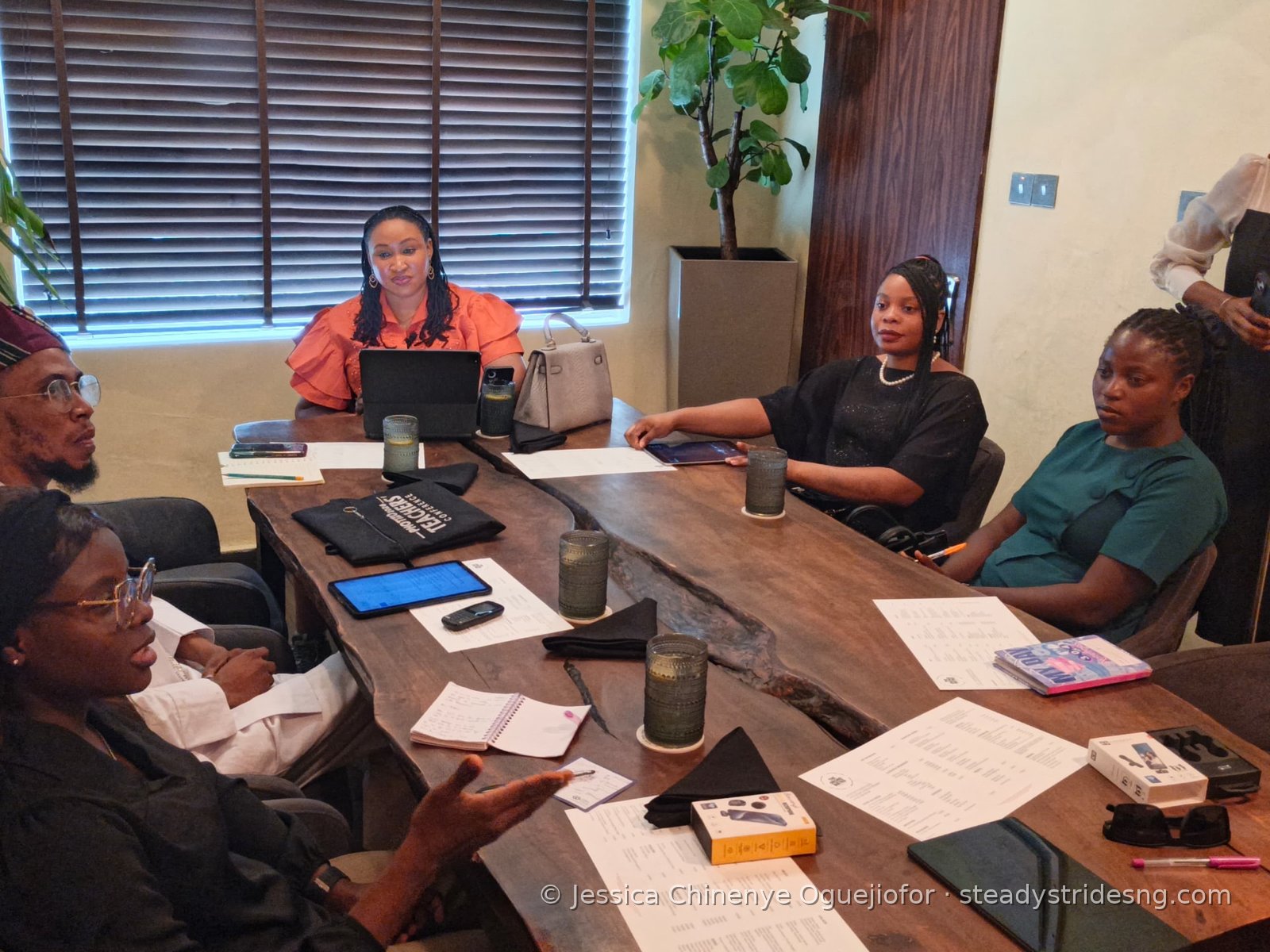
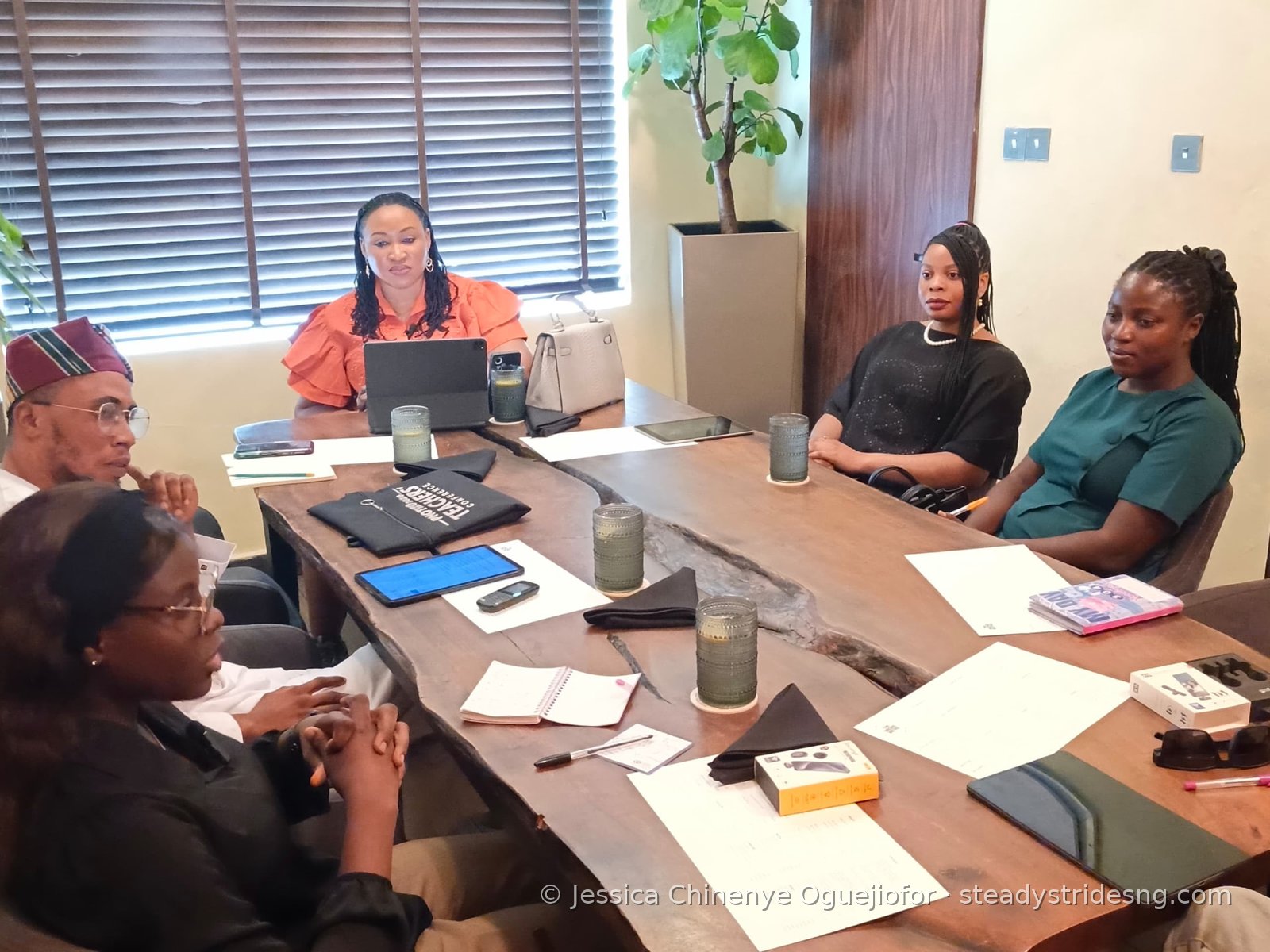
I opened the room with two questions. Who has complained about Nigerian leadership in the last thirty days? Who has led or managed another person in the last thirty days? Most of the same hands went up twice. That is where this talk lives.
Inside organisations we watch information kept by a few, closeness that beats contribution, and decisions made off the record. Inside governance we watch budgets and data that are hard to see, appointments made without competence, and policy settled before the hearing. The country did not invent those habits. It inherited them from us, one office at a time.
I told the room about a season when I stopped speaking up — not because I had nothing to say, but because I had learned it might not matter. I went quiet in meetings where I used to speak freely. I let good ideas pass without a word. A country full of people who have learned that speaking up does not matter is not a loud country. It is a quiet one.
Line them up and the translation is exact. Hoarding information becomes opacity and “no comment”. Favouritism over merit becomes appointment by loyalty. Decisions in closed rooms become deals outside the process. Silencing the people closest to the problem becomes citizens who stop bothering to speak. We cannot export to government what we are not practising in our offices.
Part two
The Case: every manager runs a small government
A manager decides who gets developed, which rules are enforced, and who feels safe to speak. A government decides who gets opportunity, whether the law applies to everyone, and whether citizens are heard. If you want to know how someone would govern a country, watch how they run a department.
I shared two stories from almost twenty years in HR. The first is a manager who taught himself out of a job. For ten years he taught every young engineer everything he knew, including the difficult work others guarded. Many of them left — Canada, the UK, Europe — and each time he simply started again with someone new. Years later, when his own family relocated, those same engineers helped them settle. That is what a leader who builds institutions looks like, and nobody handed him a policy to do it.
The second story is one young man and two managers. Under the first, he arrived eager and respectful and was judged on his dressing and his appearance rather than his work. She never invested in him, yet leaned on him to keep the unit running. In 2024 a multinational doubled his pay and he left. Under the second, a leader taught him patiently, answered his questions and saw who he could become. He grew into one of the strongest hands in the department. Same person. Two leaders. Two different national outcomes.
Multiply that one manager by a hundred thousand offices and you have a national migration story. We are not losing our talent because other countries are more attractive. We are losing them because too many leaders made them feel they did not belong, could not grow, and would not be protected. That is not a government failure. It is a management failure with a national price tag.
Part three
The Call: a Monday morning decision
Active citizenship is not a weekend activity. While we wait for better leaders to emerge, for reform from the top, for someone else to start, there are three things any of us can do this week: develop one person on purpose, apply one rule to everyone, and fix one broken process. None of it needs a budget, a title or permission.
I left the room with five questions to carry into Monday morning.
- 01Am I developing someone, or just managing them?
- 02Whose name would I confidently mention in a room I am not in?
- 03Which broken process have I been tolerating that I could fix?
- 04Whose voice am I not hearing in my meetings — and why?
- 05Is my leadership the kind I am asking Nigeria to produce?
“The Nigeria we want is not waiting for better leaders to emerge. It is waiting for the leaders already in the room to choose differently.”